🍝 LINGUINE 🍝
LITTLE TONGUES, BIG FLAVOR, AND A TASTE OF ITALIAN HISTORY
👅 THE PASTA NAMED AFTER LITTLE TONGUES
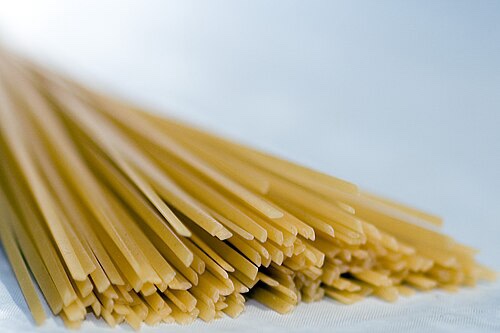
The Italian word linguine literally means “little tongues,” a playful reference to the pasta’s long, flattened shape. Its name comes from lingua, the Italian word for tongue, making this familiar pasta a surprisingly amusing example of Italian food terminology.
🇮🇹 FROM THE PORT CITY OF GENOA
Linguine originated in Liguria, the coastal region of northwestern Italy whose capital is Genoa. The pasta belongs to a centuries-old local tradition of long, narrow noodles, closely related to other regional favorites known as trenette and bavette.
📜 A PASTA WITH CENTURIES OF HISTORY
Historical accounts of eighteenth-century Genoese cooking describe trenette, a close relative of linguine, served with pesto, green beans, and potatoes. This combination was associated with festive family meals and remains a beloved Ligurian specialty today.
🍴 NOT QUITE SPAGHETTI, NOT QUITE FETTUCCINE
Although linguine resembles spaghetti, its strands are flattened rather than round. It is generally wider than spaghetti but narrower than fettuccine, giving it a distinctive shape that works particularly well with olive oil, pesto, and seafood sauces.
🌿 PESTO, POTATOES, AND GREEN BEANS
In Liguria, long pasta such as linguine or trenette is traditionally enjoyed with fragrant basil pesto. One especially distinctive preparation includes potatoes and green beans, sometimes cooked alongside the pasta before everything is tossed together with the sauce.
🦪 WHY LINGUINE LOVES THE SEA
Linguine’s coastal origins help explain its long association with seafood, including clams, shrimp, and anchovies. Its slender, flattened strands pair beautifully with lighter sauces, making linguine with clam sauce a particularly familiar favorite in Italian American cooking.
📚 SOURCES

