🐟 MARLIN 🐟
THE OCEAN’S SPECTACULAR BILLFISH
⚓ A NAME FROM THE SAILING DAYS
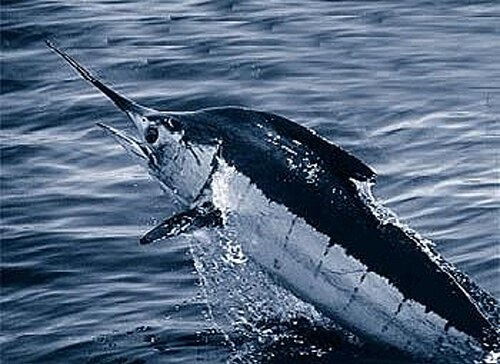
The name marlin is believed to come from the marlinspike, a pointed tool sailors use when working with ropes. The fish’s long, spear-shaped upper jaw resembles this traditional nautical instrument, giving the ocean predator a name with a seafaring connection.
🐟 A FISH BIGGER THAN A SMALL CAR
Blue marlins are among the largest bony fish in the ocean, with exceptional specimens reaching more than fourteen feet in length and weighing well over 1,000 pounds. Female blue marlins grow considerably larger than males, making them the true giants of their species.
🎯 THE SECRET BEHIND THAT POINTED BILL
A marlin’s impressive bill is more than an unusual facial feature. These powerful predators use it to slash through schools of fish, stunning or injuring prey before circling back to feed on mackerel, tuna, and other ocean creatures.
🌊 THOUSANDS OF MILES FROM HOME
Marlins spend much of their lives in the open ocean, far from shore. They are remarkable long-distance travelers, following warm currents and seasonal food supplies across hundreds or even thousands of miles of ocean.
📖 THE MARLIN THAT BECAME A LITERARY LEGEND
A giant marlin plays a central role in Ernest Hemingway’s celebrated 1952 novella The Old Man and the Sea. The story follows an aging Cuban fisherman named Santiago whose extraordinary struggle with the fish became one of literature’s most memorable tales of determination.
✨ A FISH THAT CAN LIGHT UP ITS STRIPES
Some marlins can rapidly change the appearance of their body colors, making their stripes especially vivid during hunting. Their striking blue coloration and flashing patterns make these already impressive fish among the ocean’s most visually spectacular predators.
📚 SOURCES

