🦞 LOBSTER 🦞
FROM THE OCEAN FLOOR TO A NEW ENGLAND TRADITION
🦞 FROM EVERYDAY FOOD TO FINE DINING
Lobster was once so plentiful along the New England coast that it was considered ordinary food rather than a luxury. During colonial times, it was eaten by fishing families and served to servants and prisoners, a far cry from its reputation as an expensive restaurant delicacy today.
🔴 WHY LOBSTERS TURN RED
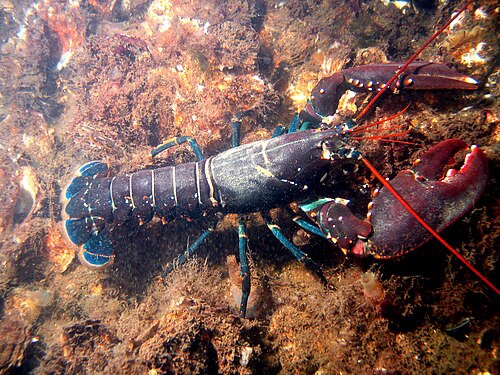
Living American lobsters are usually dark greenish-brown, helping them blend into the ocean floor. Their famous bright red color appears during cooking because heat changes shell proteins, revealing a reddish-orange pigment called astaxanthin.
💪 ONE CLAW CRUSHES, THE OTHER CUTS
American lobsters have two large claws that perform different jobs. The powerful crusher claw breaks hard shells, while the slimmer cutter claw grips and tears food, giving the lobster a remarkably effective pair of built-in tools.
🛡️ A LOBSTER MUST SHED ITS SHELL TO GROW
Unlike animals with internal skeletons, lobsters wear a hard outer shell that cannot expand as they grow. They must periodically shed this protective covering in a process called molting, leaving themselves temporarily soft and vulnerable until a new shell hardens.
💙 THE LOBSTER THAT LOOKS PAINTED BLUE
Occasionally, fishermen discover lobsters with brilliant blue shells caused by unusual pigmentation. Blue American lobsters are often estimated to occur in roughly one out of every two million individuals, although that figure is only an approximation, making these colorful catches especially memorable.
🥖 THE LOBSTER ROLL BECOMES A COASTAL FAVORITE
The lobster roll became a New England favorite during the twentieth century, combining tender lobster meat with a split-top bun. Maine-style versions are commonly served chilled with mayonnaise, while Connecticut-style rolls traditionally feature warm lobster dressed with melted butter.
📚 SOURCES

